Topsoil and Sand in Lexington, SC
Screened topsoil, rich garden soil, and clean sand for beds, grading, and projects — by the quarter, half, or full yard.
Good projects start with good dirt — screened topsoil fills and levels, EarthMax garden soil feeds new beds and vegetables, and the right sand handles everything from paver bases to play areas. Pick your soil or sand below.
What We Carry
Choose your size at checkout — by the quarter, half, or full yard.
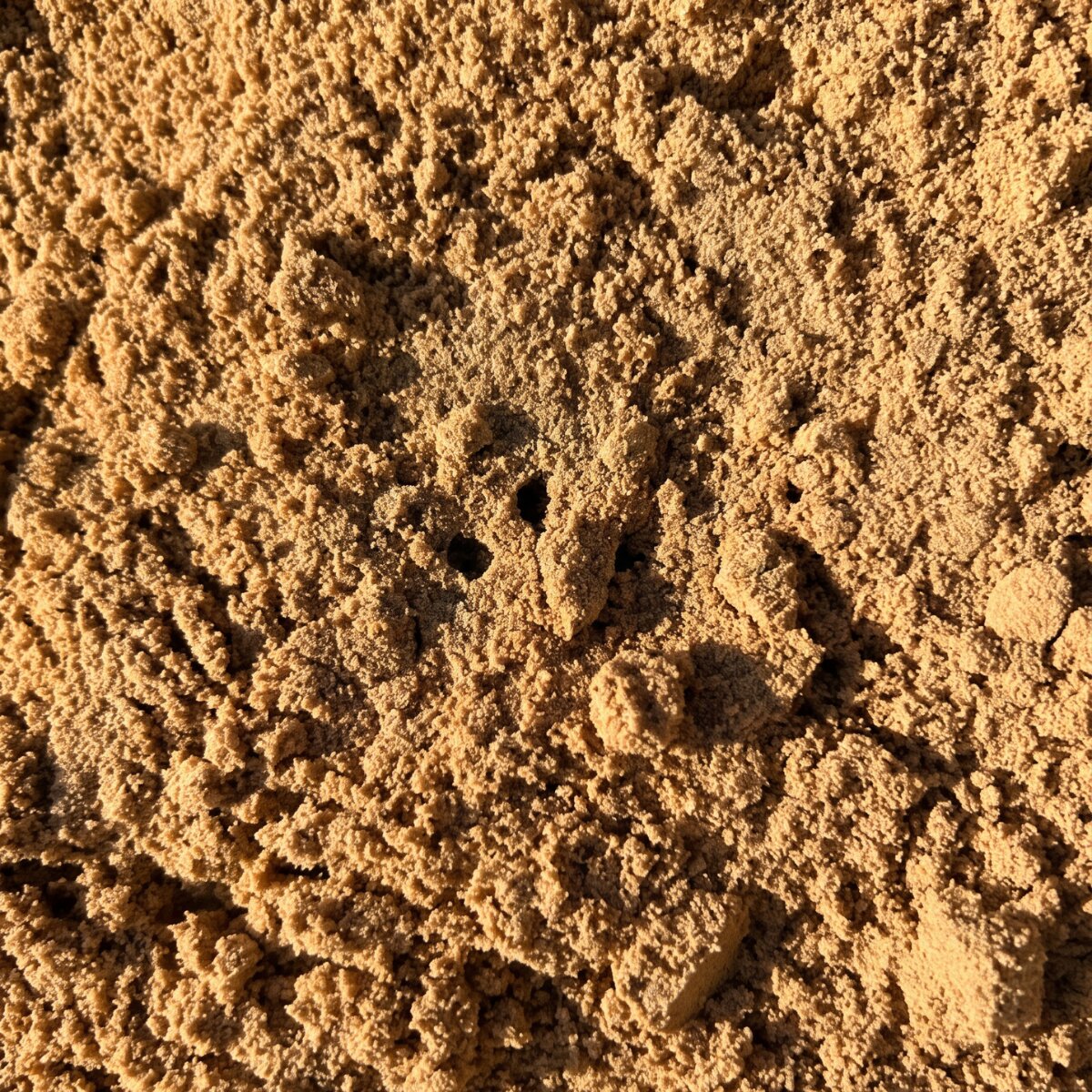
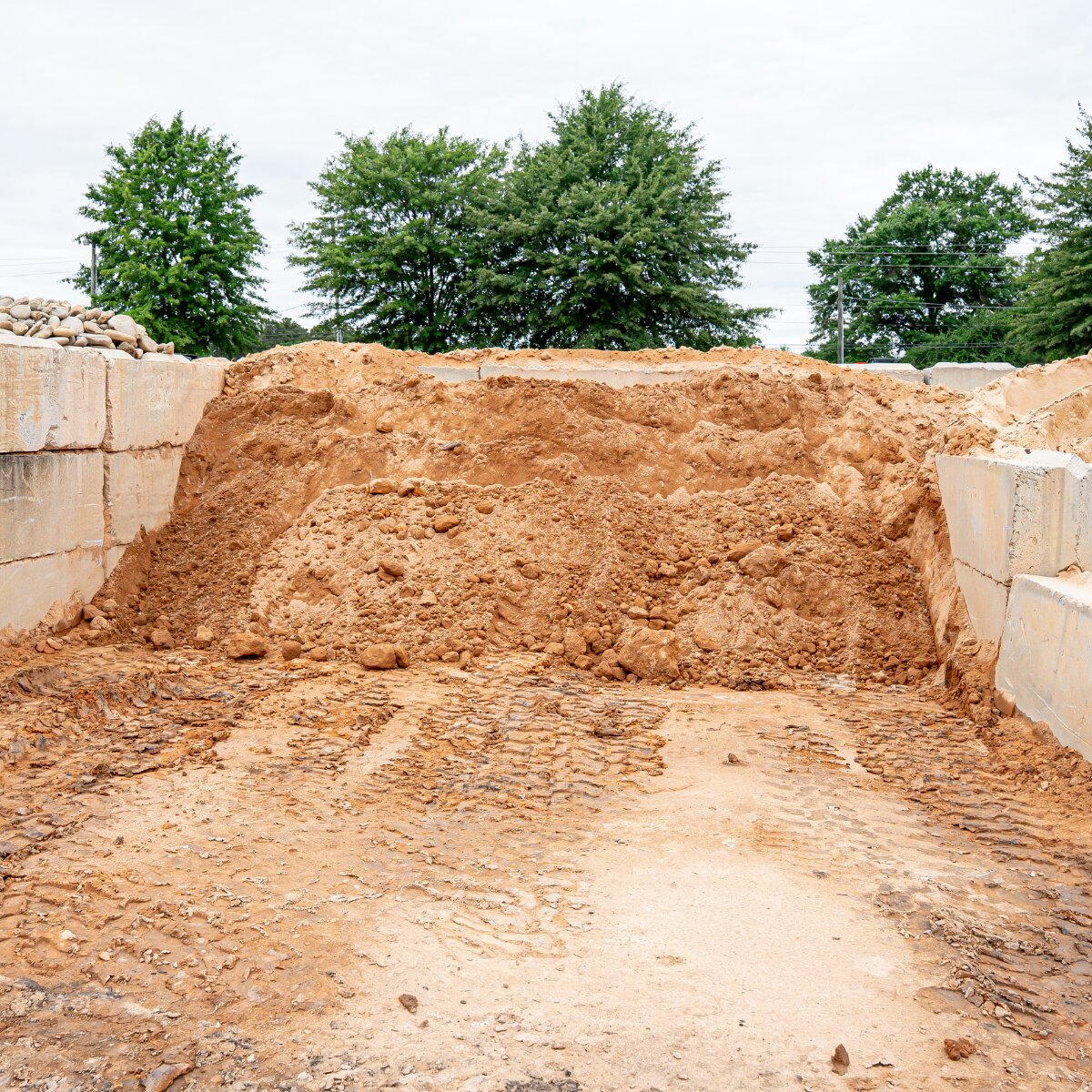
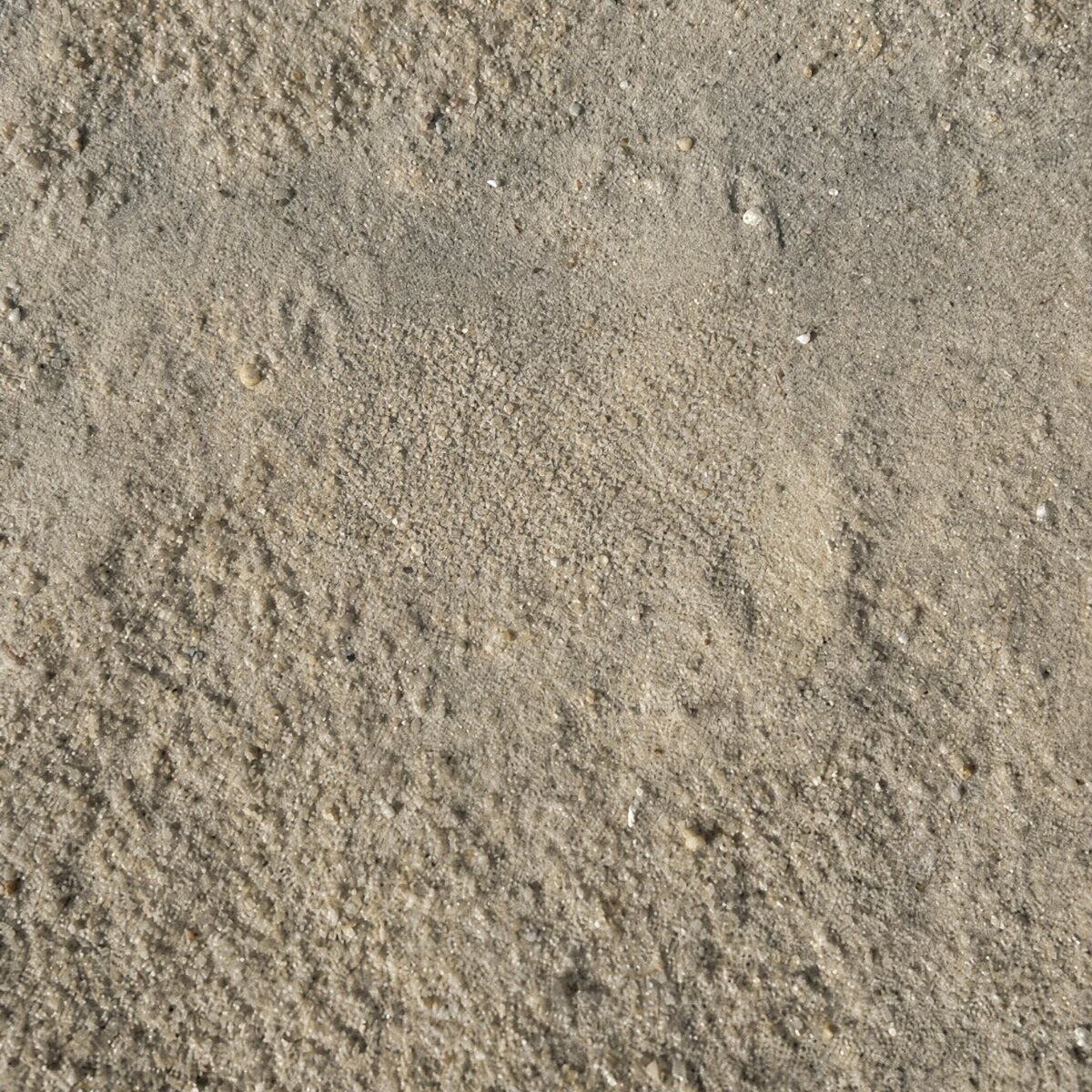
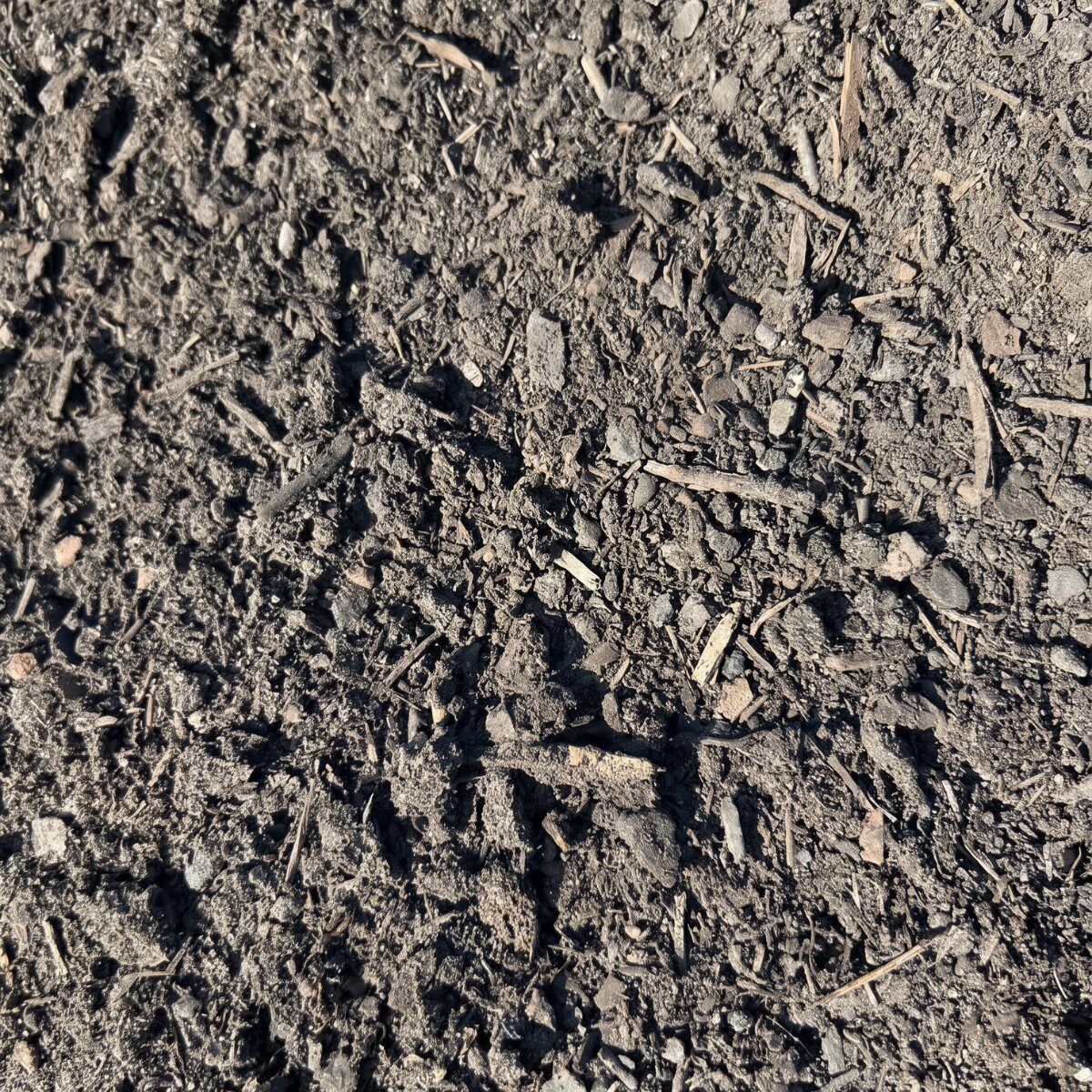
A full yard covers ~160 sq ft at 2" or ~80 sq ft at 4". Half yard ~80 sq ft at 2"; quarter yard ~40 sq ft. Tell us the size of your space and we’ll figure it out together.
Call (803) 715-0387 →Which one is right for your project?
Quickest way to choose: are you growing something, filling a space, or building on top of it?
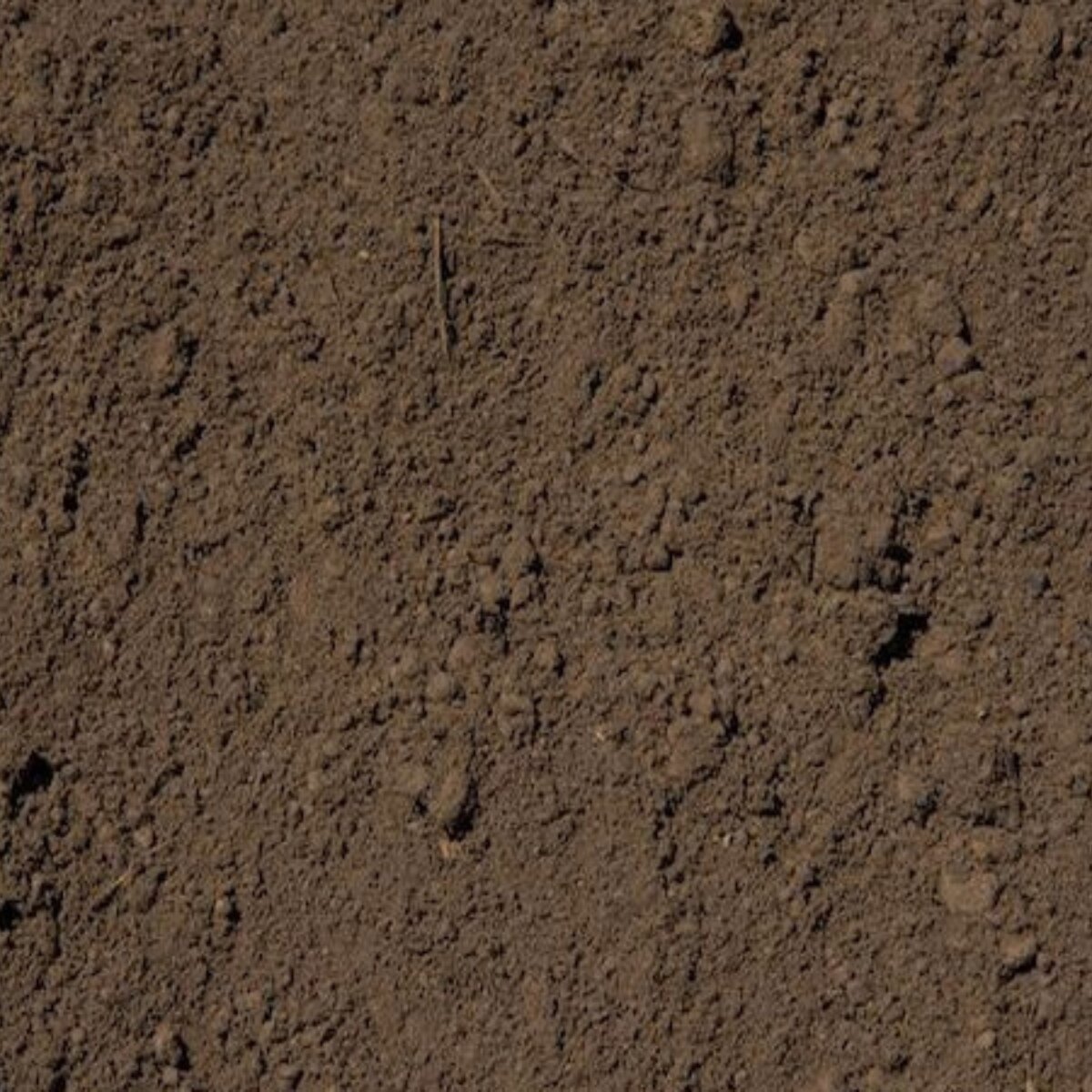
Growing plants, flowers, or vegetables? Use EarthMax garden soil — rich, premium soil made for feeding roots. New beds, raised beds, a vegetable garden. If plants are going in the ground, this is your soil.
Filling a low spot, leveling, or grading? Use Top Soil (Screened) — clean, screened dirt for fill and the budget-friendly choice when you just need to move dirt. Common combo: fill the bulk of a new bed with screened topsoil, then top the planting layer with EarthMax.
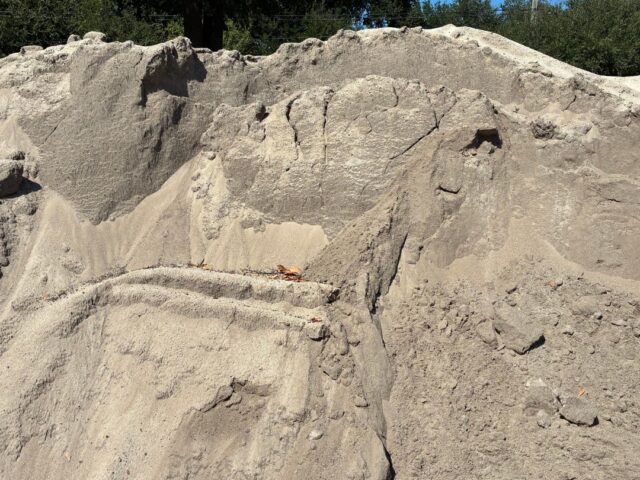
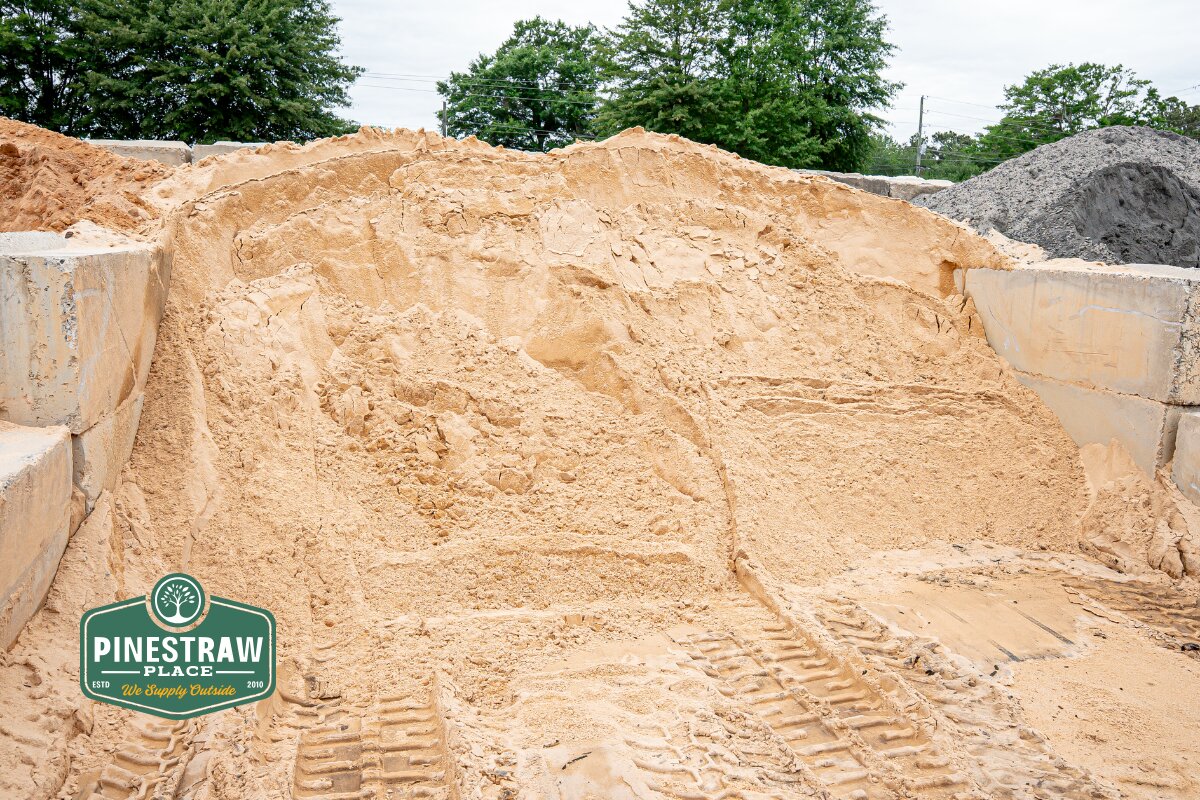
Setting pavers or a smooth base? Use Mason Sand — fine and even, beds pavers nicely and fills joints.
Need a firm, packable base or a stable path? Use Sand Clay Mix — the clay packs down hard and holds its shape under traffic.
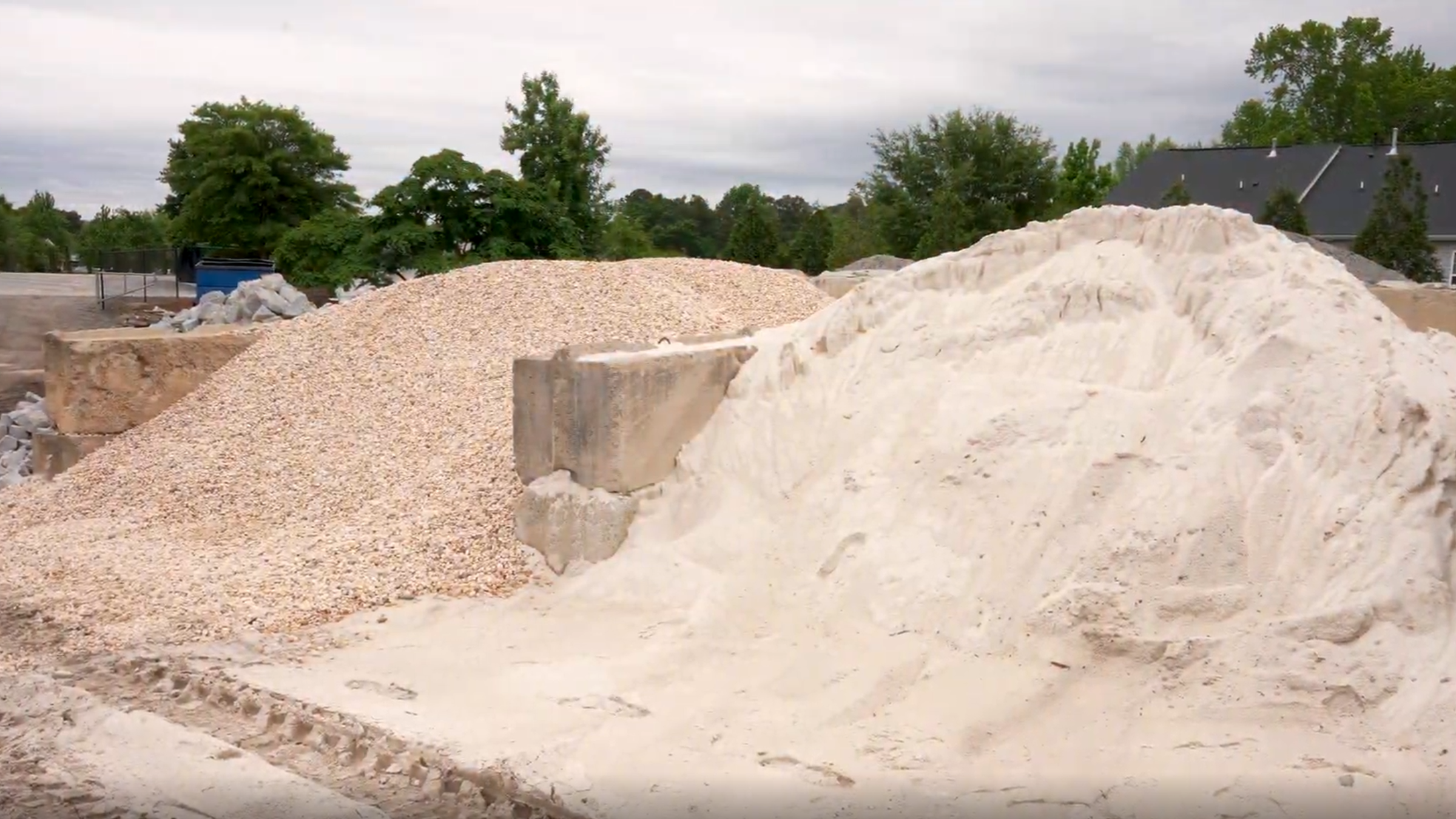
Play area, sandbox, or a bright decorative touch? Use White Sand — clean and light-colored.
Remember the sands: mason for smooth, sand clay mix for firm, white sand for bright.
Putting it down (a few tips)
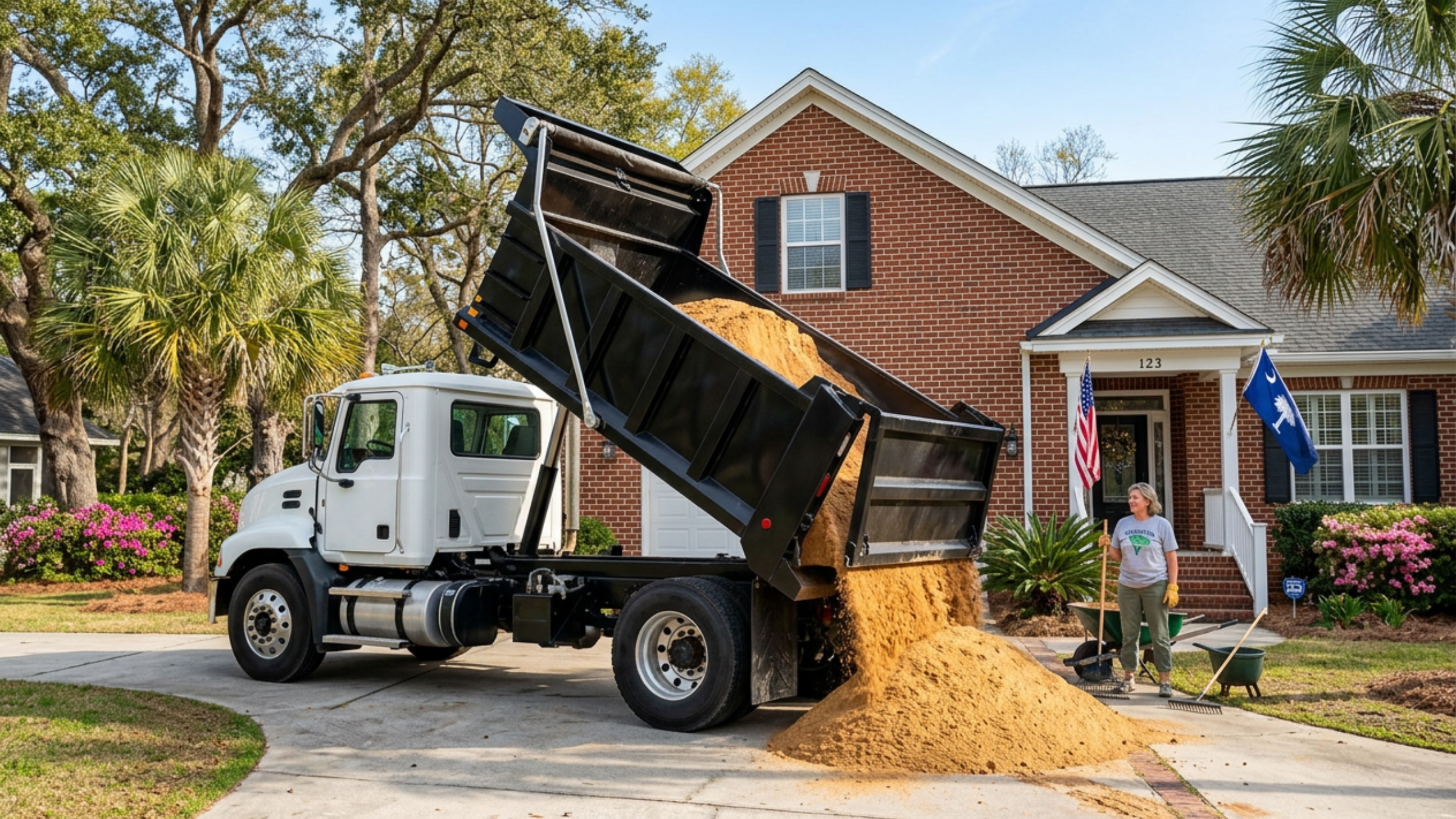
A little prep gives new soil and sand the best start:
First bed? We've got you
Spring and fall are the busy planting seasons, but you can build beds and fill low spots any time the ground isn't frozen. Tell us what you're planting or filling, give us the measurements, and we'll help you pick the right soil or sand and how much to get. No question is too basic. Call (803) 715-0387 .
Pick up within the hour
Pull in at the yard in Lexington and we'll load your truck or trailer while you wait, no appointment.
Delivery across the Midlands
Want it dropped off? Delivery from $45 per truckload, priced by zone — see the zone map. Order by noon for the best shot at same-day.
Staged orders and delivery windows you can build a schedule around, with volume that works in your favor.
Soil & Sand FAQ
Screened topsoil is clean fill for leveling and grading. EarthMax garden soil is richer and built for growing — new beds, raised beds, vegetables.
Mason sand is fine and uniform for smooth bases and paver joints. Sand clay mix packs firm for pathways and stable bases. White sand is clean and bright for play areas and decorative use.
At 2 inches, a full yard covers ~160 sq ft, a half yard ~80 sq ft, and a quarter yard ~40 sq ft. For deeper planting beds, plan for less coverage per yard.